From the Blog · College Grove, TN
When to Repipe a Home: Repair Fatigue and Other Signs
Repipe when the pattern, not the single failure, condemns the system: pinhole leaks appearing in rotation, pressure falling year by year, rusty water after every trip away, and pipe materials known to be at end of life, such as aged galvanized or problem-era plastics. One leak in tested, sound pipe is a repair. Three leaks in a season is a system asking to be replaced.
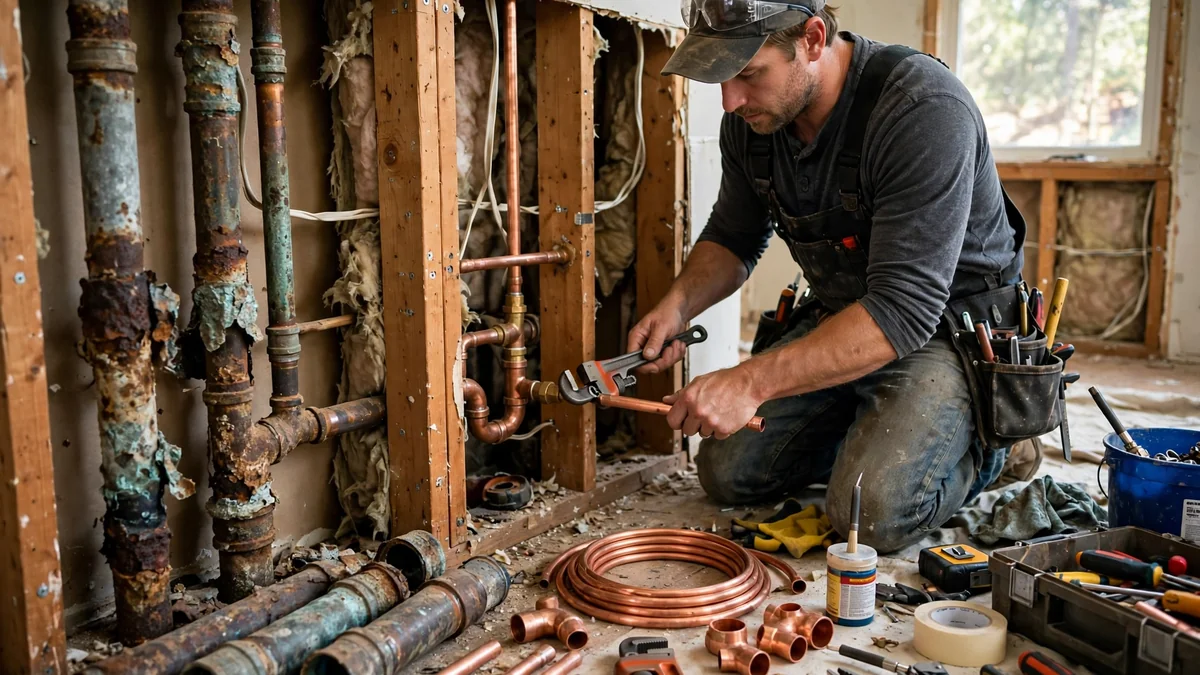
Count the pattern, price the decade
Repairs feel cheaper one at a time, which is how homes spend a repipe's cost in installments while keeping the old pipes. The honest comparison is five years forward: expected repairs on a failing system, plus the water damage risk each leak carries, against one planned repipe with new pipe throughout.
Our pipe repair and repiping assessments make that comparison in writing for your home, starting from pipe material and condition rather than a sales target.
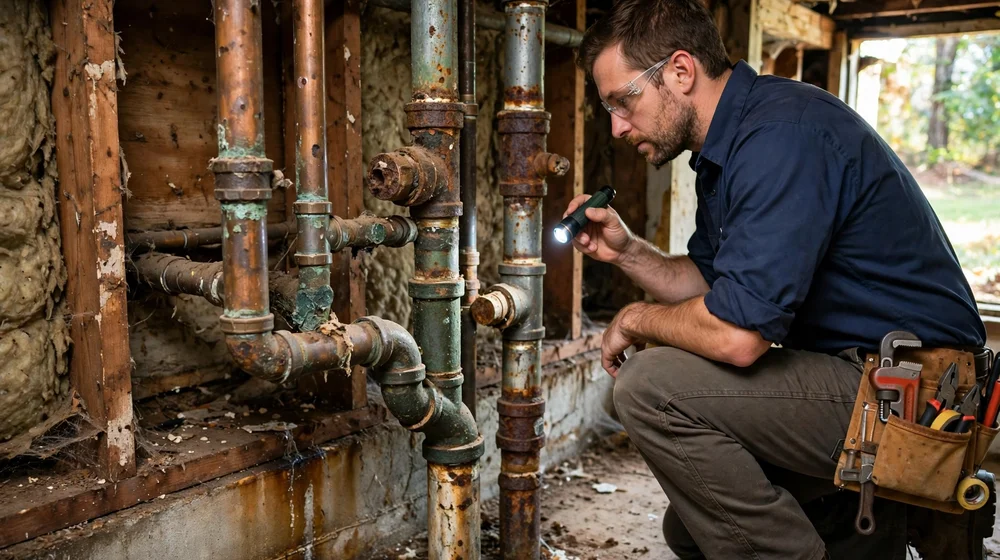
Materials tell their own timelines
Galvanized pipe narrows with internal scale until pressure dies; its endpoint is visible in any cut section. Older copper in aggressive water develops pinhole clusters. Problem-era plastic piping has a documented failure history that insurers and buyers both know. Each material's condition is checkable, and the check should precede the decision.
Modern replacement piping, properly installed, resets the clock for decades and usually restores the pressure the home had when it was built. Homeowners consistently describe the pressure difference as the change they feel most.
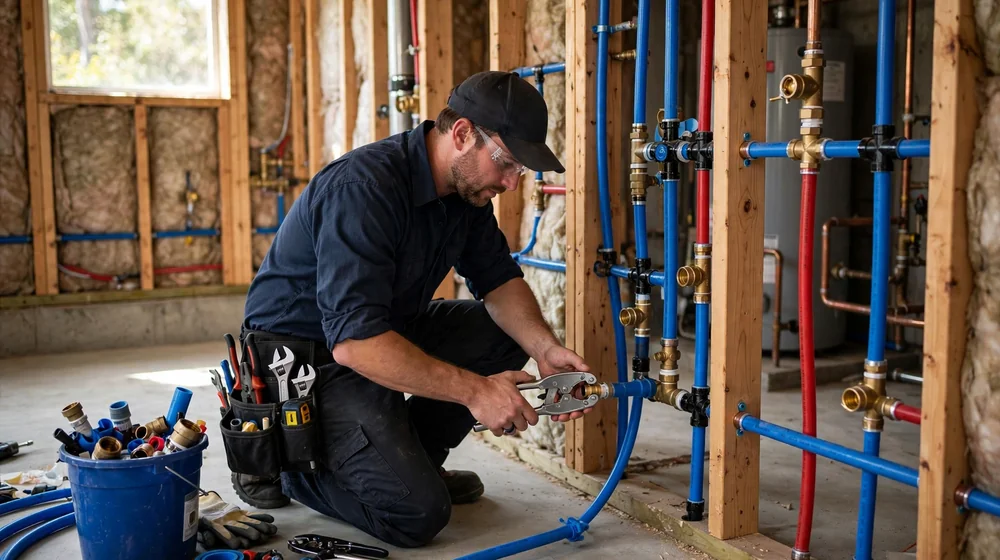
Timing and disruption, honestly
A repipe is disruptive for a few days and then finished for a generation. Planned in a mild season, coordinated room by room, with water restored daily in most cases, it is far less chaotic than its reputation. The chaotic version is the unplanned one: the same work ordered after the leak that finally flooded a floor.