From the Blog · College Grove, TN
Water Heater Lifespan: Signs It Is Time to Replace
Tank water heaters in hard-water College Grove commonly serve around a decade, sometimes less without maintenance. The replacement signs that matter most are a leaking tank body, rusty hot water, heavy rumbling from sediment, and repairs arriving in a pattern. A failed element or thermostat on a younger tank is a repair; a leaking tank is always a replacement.
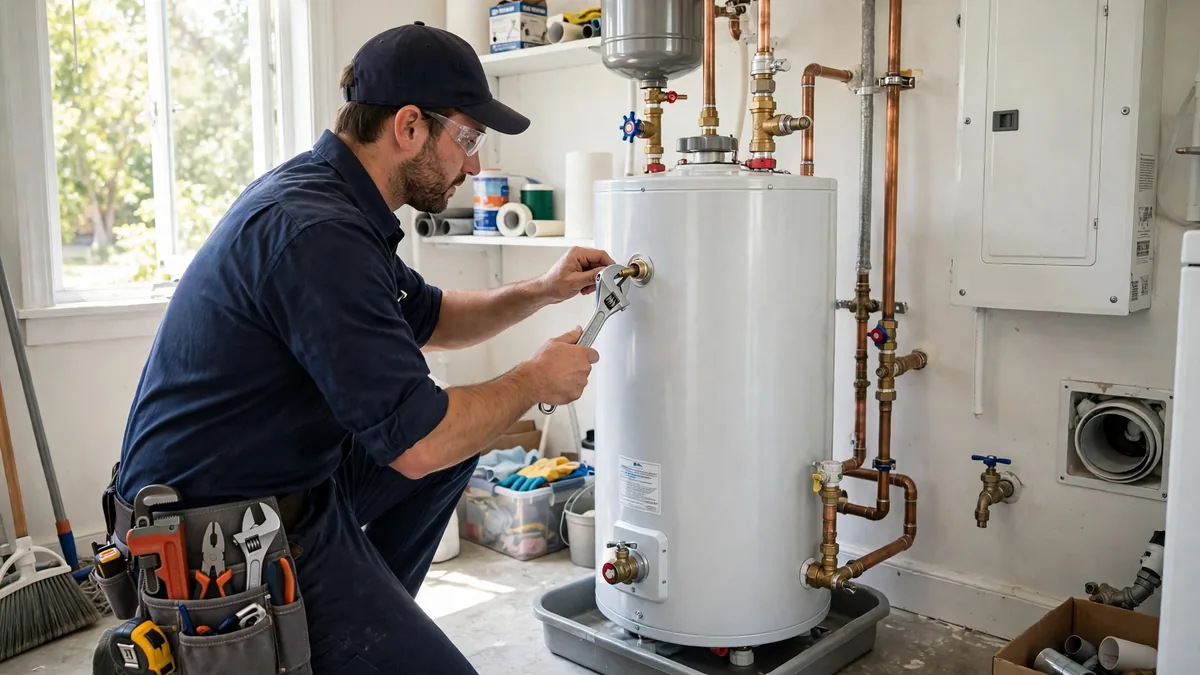
Age is context, condition is evidence
Start with age because it frames every other judgment: a modest repair on a four-year-old tank is sensible, and the same repair on a twelve-year-old tank buys little. Then read condition. Sediment load, anode state and fitting corrosion tell the truth that a birthday approximates.
Our water heater repair visits always include that condition read, because the honest output of many repair calls is a replacement conversation held early, while it can still be planned.
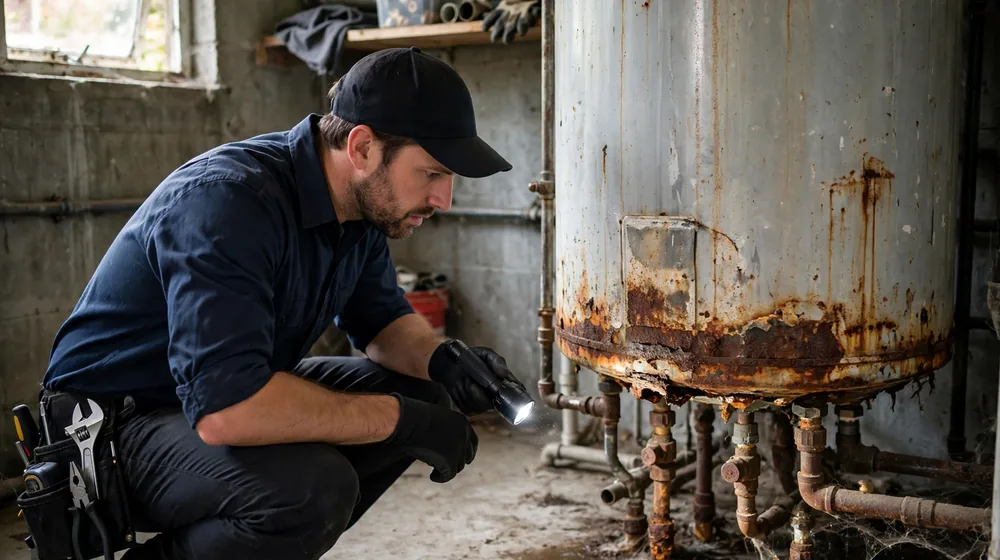
The signs in the order we weigh them
A tank-body leak ends the discussion: tanks cannot be patched. Rusty water from hot taps only points to internal corrosion or a spent anode. Rumbling means sediment is cooking the tank from inside. Lukewarm water and fast-emptying showers on an old tank suggest both sediment and element wear together.
One sign on a young tank is a repair. Two or three on an older tank is a pattern, and patterns are what planned replacement exists for: chosen unit, chosen day, no cold-shower deadline.
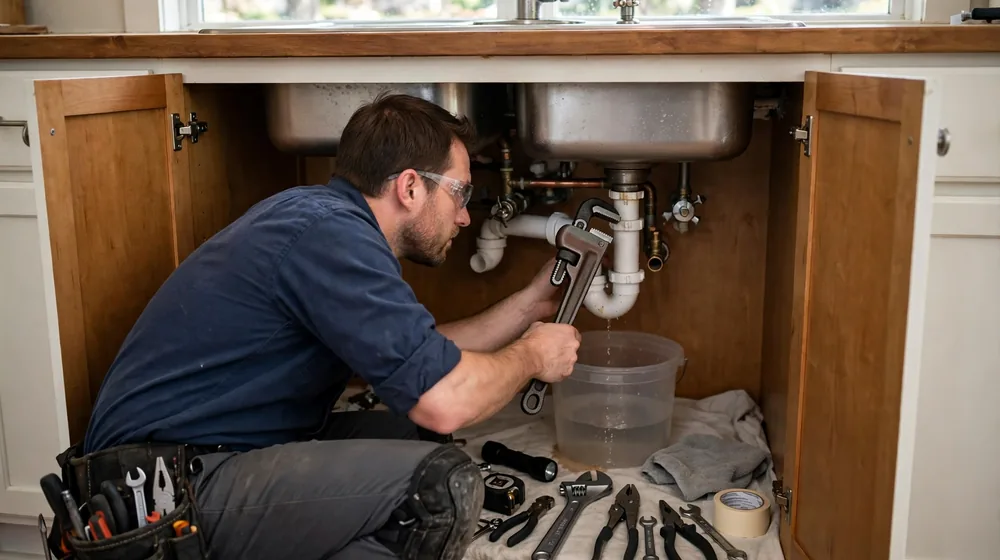
Tankless owners: a different clock
Tankless units live longer, often well past tank equivalents, but only with descaling. A tankless unit that faults on scale codes at year eight has not reached its lifespan limit; it has reached its maintenance limit. The distinction decides whether the spend is service or replacement, and our tankless repair page explains how we tell.