From the Blog · College Grove, TN
Frozen Pipe Prevention for College Grove Winters
Frozen pipes are prevented in the fall, not during the cold snap. The effective steps are insulating exposed crawlspace, garage and exterior-wall lines, sealing the drafts that wash pipes in cold air, disconnecting hoses and covering outdoor faucets, knowing your main shutoff, and dripping vulnerable faucets on the coldest nights. Homes on exposed College Grove acreage need the full list; sheltered homes need most of it.
Drafts first, insulation second
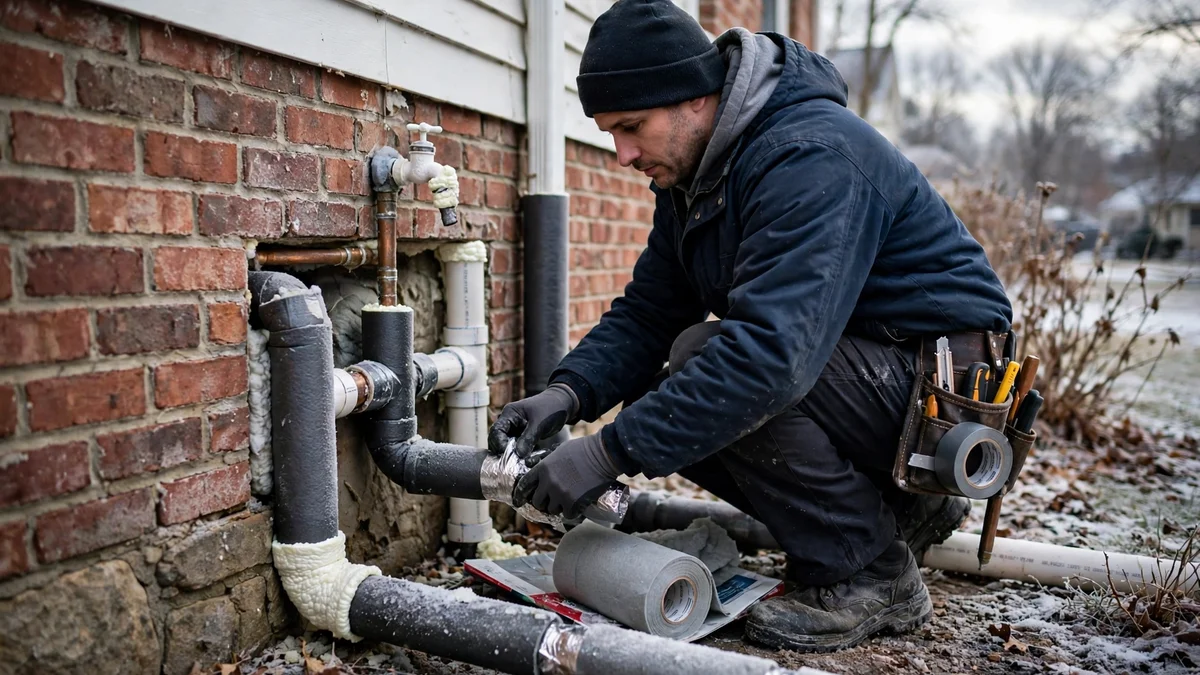
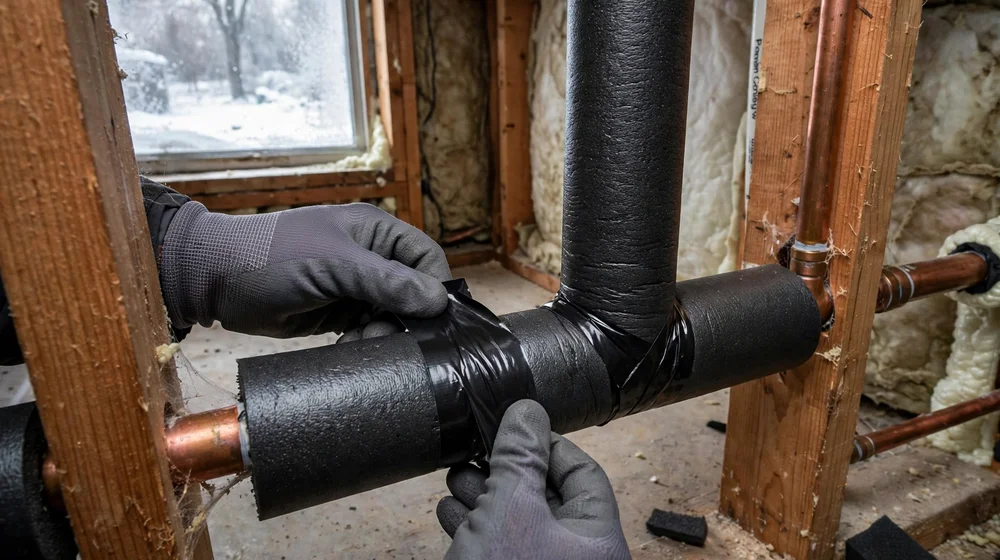
Moving cold air defeats insulation given enough hours, so seal the crawlspace vents' gaps, foundation cracks and openings where pipes pass, then insulate the runs themselves. Foam sleeves are cheap and effective on straight runs; elbows and tees are where pipes actually freeze, so cover fittings carefully.
Garage and exterior-wall lines serving kitchen and bath fixtures are the classic indoor freeze points here. Our frozen pipe repair page shows what happens when a section is missed, and a fall visit can insulate and seal a home's vulnerable runs in one trip.
The night-of routine
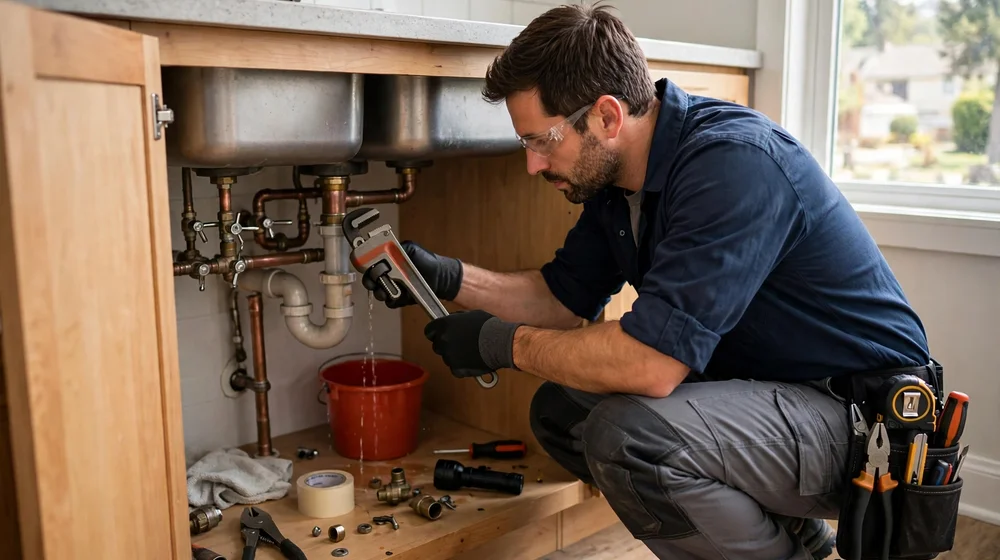
On hard-freeze nights, open cabinet doors under sinks on exterior walls so house heat reaches the pipes, let vulnerable faucets drip slowly, and keep the thermostat at a consistent temperature rather than a deep night setback. Disconnect garden hoses and cover hose bibbs; a hose left attached can freeze the faucet and split the pipe inside the wall.
If you travel in winter, the safe combination is heat left on, water shut off at the main if your system allows, and a neighbor or our maintenance contact who knows where your shutoff is. More College Grove pipes burst in empty houses than occupied ones.
If a pipe freezes anyway
Thaw gently from the faucet backward with warm air, never a flame, keep the faucet open, and watch for leaks as flow returns: a split pipe announces itself at the thaw. If the frozen section is in a wall or the pipe has burst, shut off the water and call our emergency line.